SE10 house removals guide for narrow streets
Posted on 29/05/2026
SE10 House Removals Guide for Narrow Streets
Moving home in SE10 can feel straightforward on paper, then suddenly the street narrows, the parking disappears, and a full-size van looks a bit too ambitious for the job. That is the reality for many moves in Greenwich: beautiful terraces, historic roads, tight turning space, and neighbours who quite rightly expect a calm, careful operation. This SE10 house removals guide for narrow streets is designed to help you plan properly, avoid the usual access headaches, and make the day run with far less stress.
Whether you are leaving a flat near Greenwich Park, moving into a townhouse off a tight one-way road, or trying to shift furniture through a narrow cul-de-sac, the same principles apply: plan access early, reduce the load, communicate clearly, and choose the right moving method for the street. Simple enough in theory. A bit fiddly in real life.
Below, you will find practical advice on access checks, van sizing, packing, timing, compliance, and the kind of small details that make a big difference on moving day. If you need a broader overview of moving support in the area, you may also find the house removals service in Greenwich and the wider services overview useful alongside this guide.
Why SE10 House Removals Guide for Narrow Streets Matters
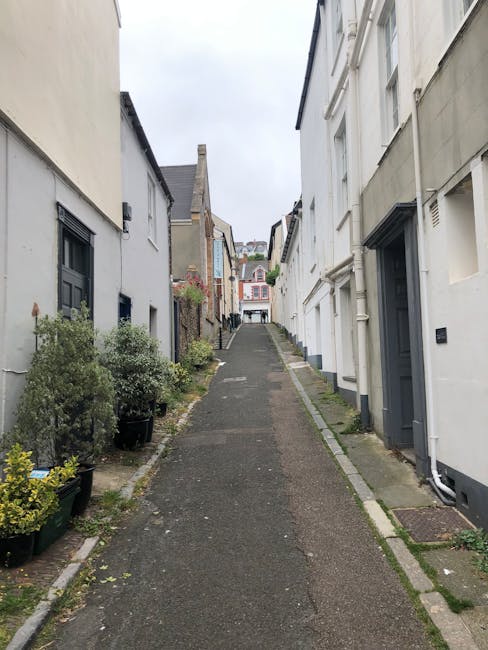
SE10 is not like every other postcode. That is part of the appeal, of course. The area has character, older housing stock, compact roads, and a mix of residential streets that were never designed with modern removals lorries in mind. In practice, that means the biggest risks are rarely inside the house. They are outside it.
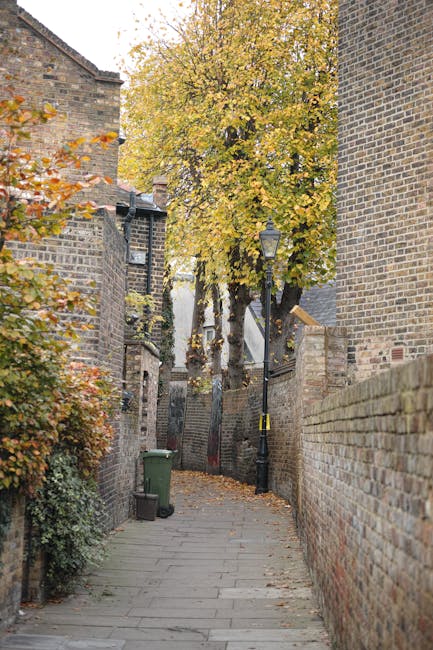
Narrow streets change almost everything: where the van can stop, how far items need to be carried, whether neighbours can pass, and how much time the move will take. A sofa that would be easy on a wide suburban road can become awkward if the vehicle has to park around the corner. A piano or wardrobe can go from "fine" to "problematic" very quickly if the access is only just wide enough for people to squeeze through.
That is why planning for the street is as important as packing the boxes. Honestly, maybe more important. A good move in SE10 starts with realistic access planning, not wishful thinking.
There is also a local quality-of-life issue. Greenwich streets are busy, often parked up, and sometimes shared by pedestrians, delivery vehicles, cyclists, and people simply trying to get on with their day. Good removals practice respects that. It reduces obstruction, lowers the chance of damage, and keeps the whole process calmer for everyone involved.
Expert summary: In narrow-street moves, success usually comes from preparation, not speed. The right vehicle, the right timing, and the right loading plan will often save more time than rushing ever could.
How SE10 House Removals Guide for Narrow Streets Works
A narrow-street move is not a different service so much as a different approach. The job still involves surveying, packing, loading, transporting, and unloading. The difference is that each stage has to account for limited road width, restricted parking, and awkward turning space.
In a typical SE10 move, a removal team may first assess whether a larger van can stop directly outside the property. If not, they may plan a shuttle-style approach, where a smaller vehicle or multiple carries are used to move items between the property and a more suitable parking spot. In some cases, a man and van Greenwich arrangement is the cleaner fit, especially for smaller homes or lighter loads. For a more compact and flexible setup, a man with a van service can be a sensible option too.
For larger family homes, the move may still need a full house removals plan, but with more careful timing, better vehicle selection, and potentially a split load. If items must be moved in stages or stored temporarily, storage in Greenwich can be useful to keep the move organised rather than chaotic. That sounds obvious, but people forget it all the time until the hallway is full and the keys are nearly in hand.
The practical workflow usually looks like this:
- Assess access, parking, and turning space.
- Match the vehicle size to the street, not just the volume of belongings.
- Pack and label items so loading is quick and logical.
- Protect high-risk items like furniture, mirrors, and appliances.
- Schedule the move to avoid the busiest road periods where possible.
- Keep communication open on the day in case the plan has to shift slightly.
That flexibility matters. Narrow streets have a habit of introducing tiny surprises, and sometimes the only sensible move is to adapt quickly rather than forcing the original plan.
Key Benefits and Practical Advantages
Planning properly for a narrow-street removal brings a lot of benefits, and not all of them are obvious at first glance. The most immediate one is simple: fewer delays. If the van fits, the carry distance is short, and the crew knows the route, the whole day becomes smoother.
There is also less physical strain. Long carries sound manageable until you are on your fifth trip with boxes through a tight entrance and a slightly awkward corner. Shortening the carry distance makes a real difference, especially for furniture, white goods, and boxed items that are heavier than they look.
Other advantages include:
- Lower damage risk to walls, door frames, and furniture.
- Better time control because loading and unloading can be sequenced properly.
- Less disruption for neighbours, pedestrians, and other traffic.
- Improved safety for the team and your belongings.
- Cleaner decision-making on moving day because the plan already accounts for access limitations.
There is a quieter benefit too: peace of mind. When you know the move has been thought through for the street you actually live on, you stop guessing about what might go wrong. That calm feeling is worth a lot on moving day, especially before the kettle is unpacked.
If you are moving a flat rather than a house, this becomes even more relevant. Many local residents use a flat removals service in Greenwich because stairwells, shared entrances, and parking restrictions can make compact moving support the more practical route.
Who This Is For and When It Makes Sense
This guide is especially useful if you live in or are moving into an SE10 property with awkward access. That could mean a terraced house on a narrow residential road, a converted flat with a tight entrance, or a home where parking directly outside is unlikely.
You will probably benefit from this approach if you are:
- moving from a period property with limited front access;
- dealing with resident-only parking or restricted stopping space;
- moving furniture through a narrow hallway or shared stairwell;
- working to a fixed handover time and need the move done efficiently;
- relocating student accommodation or a smaller SE10 flat;
- moving a single large item that needs careful handling.
It also makes sense if you are trying to balance cost with practicality. A smaller vehicle or a more tailored removals setup can be more economical than paying for a large lorry that cannot legally or safely park near the property. If you want a clearer sense of the numbers, the pricing and quotes page is a sensible place to start.
Some moves are just too tight for a "we'll see on the day" approach. Truth be told, if access looks borderline from the outset, it is better to plan for the worst and be pleasantly surprised than to do it the other way round.
Step-by-Step Guidance
Here is the practical sequence we would recommend for a narrow-street house removal in SE10. It is not glamorous. It is just effective.
1. Measure access before you book
Look at the street width, any parked vehicles, the curb layout, and whether a van can safely stop near the property. Do not rely on memory alone. Streets can feel wider or tighter depending on the time of day, and the difference between an easy move and a stressful one may be a single parked car.
Check the route from the vehicle to the front door as well. A short street with a very awkward entrance can be more difficult than a longer street with straightforward access.
2. Reduce unnecessary volume
Less volume means fewer trips, less loading time, and less chance of delay. Sort the property room by room and be ruthless. Keep what you use, donate or recycle what you do not, and avoid paying to move clutter you will probably throw away later anyway. It happens all the time.
If you have furniture that is awkward, bulky, or not worth the carry, a specialist furniture removals service can help protect the item and the property at the same time.
3. Choose the right vehicle size
In narrow streets, bigger is not always better. A smaller or medium vehicle may be easier to park, easier to unload, and quicker overall if access is limited. The right vehicle is the one that fits the street and the load without creating extra problems.
This is where flexible transport options can help. If you need a simple, direct move with fewer complications, a removal van in Greenwich may be the right balance between space and manoeuvrability.
4. Pack for speed and protection
Use sturdy boxes, mark them clearly, and keep breakables separate. In tight moves, the loading sequence matters. Boxes should be grouped logically so the most needed items come off first, not buried under half the kitchen. That one detail alone can save a lot of muttering later.
If you need supplies or help getting organised, the packing and boxes service can simplify the preparation stage.
5. Set the timing carefully
Whenever possible, avoid peak traffic periods, school-run windows, or times when your road is especially congested. Early starts often help, but only if that works for your building, your neighbours, and your move-in schedule. There is no perfect time; just a better one.
6. Protect the property and the street
Use blankets, floor protection, and careful lifting techniques to avoid scraping walls, door frames, and paving. Narrow streets often mean tight corners and close contact. A bit of protection goes a long way.
7. Keep communication open
On moving day, the plan may need small adjustments. Maybe a car has blocked the usual stopping point. Maybe the lift is slower than expected. Maybe a sofa needs to come out at an angle that no one loved in advance. Stay flexible and keep the conversation going.
Expert Tips for Better Results
Little improvements matter a lot in SE10. These are the details that often separate a smooth move from a frustrating one.
- Photograph access points before moving day so you can discuss them clearly with the removals team.
- Reserve the most awkward items for last only if there is enough space to stage them safely.
- Label boxes by room and priority, not just by contents. "Kitchen - first day" is more useful than "miscellaneous."
- Keep a narrow hallway clear the night before. Bags, plants, children's toys, and random shoes become surprising trip hazards.
- Disassemble what you can safely without making the item weaker or harder to rebuild.
- Protect yourself as much as the furniture. Good boots, gloves, and sensible clothes really do help.
One more thing: if you are moving in a busy period or on a tight deadline, ask early about flexibility. Services such as same day removals in Greenwich can be useful in urgent situations, though they are not the answer for every move.
And yes, it is okay to say that a piece of furniture is not worth the stress. Sometimes the most expert decision is the one that saves your back and your mood.

Common Mistakes to Avoid
Most narrow-street moving problems are predictable. That is the annoying part. The good news is that predictable problems are usually preventable.
- Booking the wrong vehicle size and assuming it will sort itself out on the day.
- Ignoring parking limitations until the van arrives and there is nowhere practical to stop.
- Underestimating carry distance from the van to the property.
- Packing loosely, which slows loading and increases the risk of breakages.
- Leaving dismantling too late, especially for beds, wardrobes, and large tables.
- Forgetting neighbour impact and causing avoidable friction in a small street.
- Not checking insurance and safety arrangements before fragile or expensive items are moved.
A lot of these mistakes come from assuming the move is the same as a standard suburban one. It rarely is. SE10 has its own rhythm, and the removals plan has to respect that.
If the move is complex enough that you want extra reassurance around handling and protection, the insurance and safety information is worth reviewing before you go ahead.
Tools, Resources and Recommendations
You do not need a warehouse full of equipment to handle a narrow-street move well. But a few practical tools and preparations make a big difference.
- Measuring tape for doors, hallways, furniture, and access gaps.
- Protective blankets and wrap for furniture and awkward surfaces.
- Strong boxes and tape so the load can be stacked safely.
- Marker pens and labels for room-by-room organisation.
- Basic toolkit for dismantling furniture where appropriate.
- Floor protection if the route includes polished floors or newly fitted surfaces.
On the service side, it can help to compare different moving options based on access, timing, and load size. For example, a small student move is often handled very differently from a full family house move. If you are moving on a budget or with limited belongings, student removals in Greenwich may be more appropriate. If you are relocating a workspace as well, the office removals service can offer a different kind of planning support altogether.
For people who prefer a structured starting point, the removal services in Greenwich page and the removals Greenwich overview can help you compare what is available without overcomplicating the decision.
Law, Compliance, Standards, or Best Practice
For home removals in narrow streets, the key compliance issues usually relate to road safety, parking, access, manual handling, and general care for property and people. You do not need to become an expert in transport law, but you should expect the removals provider to work in a way that is safe, considerate, and proportionate to the street conditions.
Best practice normally includes:
- planning loading and unloading to reduce obstruction;
- using appropriate vehicle sizes for the route and street layout;
- handling heavy items safely to reduce injury risk;
- protecting the building and contents during movement;
- being transparent about any access limitations that could affect timing or price;
- respecting local conditions, neighbours, and any site-specific instructions.
It is also sensible to check service terms, payment expectations, and how the company handles complaints or service issues. Those documents can feel a bit dry, but they matter when something needs clarifying. The pages for terms and conditions, payment and security, and the complaints procedure are all useful for that kind of reassurance.
If you want a better sense of the company's working approach, the about us page is a good place to understand who you are dealing with before moving day arrives.
Options, Methods, or Comparison Table
Different moves in SE10 call for different approaches. The best choice depends on property size, access, load weight, and how tight the street really is.
| Method | Best for | Strengths | Trade-offs |
|---|---|---|---|
| Full house removals | Larger family homes and fuller inventories | More comprehensive, better for complex moves | May need more space, more planning, and tighter scheduling |
| Man and van | Smaller loads, quick local moves, flatter access | Flexible, often easier in narrow streets | Not always ideal for very large or heavy moves |
| Removal van service | Medium-sized domestic moves | Balanced capacity and manoeuvrability | May still require careful parking and route planning |
| Storage-supported move | Staged moves or delayed completions | Reduces pressure if dates do not line up neatly | Adds an extra step and usually extra coordination |
The right method is the one that fits the street first and the inventory second. That sounds backwards, but in SE10 it is usually the sensible order.
Case Study or Real-World Example
Here is a realistic example from the kind of move people often face in Greenwich.
A couple in a SE10 terrace had a straightforward property size, but the road outside was narrow, with parked cars on both sides for much of the day. Their sofa, bed frame, and dining table were all perfectly movable indoors, yet the access outside was the real challenge. A large vehicle would have blocked the road and still left a long carry distance.
The solution was to break the move into a tighter, better-planned sequence. The team used a more manoeuvrable vehicle, loaded the heaviest items first, and kept a clear route between the front door and the van. Boxes were labelled by priority so the kitchen and bedding came off early. No drama, no shouting across the pavement, and no crushed cardboard pile in the hallway. Just a sensible plan.
What made the difference was not speed. It was preparation. They had measured the access in advance, reduced the number of unnecessary items, and accepted that the street dictated the method. That is often the turning point in a narrow-street move: once you respect the access, everything else gets easier.
To be fair, there was still a moment where someone had to shuffle a plant pot out of the way with the toe of a shoe. Moving house is rarely elegant. But it worked.
Practical Checklist
Use this checklist in the days before your SE10 move. It is simple, but it covers the details that cause the most friction.
- Measure doorways, hallways, stairwells, and key furniture items.
- Check where a van can legally and safely stop.
- Confirm whether the street needs a smaller vehicle or a different loading approach.
- Declutter rooms before packing begins.
- Label boxes clearly by room and priority.
- Wrap fragile items and disassemble bulky furniture where safe to do so.
- Keep essential items in a separate bag for the first night.
- Tell neighbours if access may be temporarily affected.
- Review the service terms, payment details, and insurance information.
- Leave a clear route from the door to the curb or loading point.
Quick takeaway: If you can make the route shorter, the packing smarter, and the vehicle choice more realistic, you have already solved most narrow-street moving problems.
Get a free quote today and see how much you can save.
Conclusion
Moving in SE10 is absolutely manageable, even on a narrow street, but it rewards careful planning more than almost anything else. The access outside the property matters as much as the rooms inside it. Once you treat parking, turning space, carry distance, and timing as part of the moving plan, the whole process becomes more predictable and a lot less tiring.
If you are preparing for a Greenwich move and want a service that fits the reality of the street rather than just the size of the house, start with the practical basics, ask the right questions early, and choose a removals approach that matches the access. It is a small bit of extra work now for a much calmer day later.
And once the last box is in, the kettle is on, and the street noise settles back into the background, you will be glad you handled it properly.