Removal Companies in Greenwich
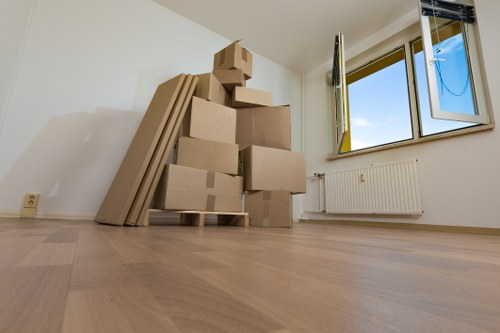
Removal Companies Greenwich provide planned home and business moves in Greenwich, with practical support for lifting, loading, transport and delivery. The service is suited to households, landlords and organisations that want their move handled in a structured way, with attention to access, timing and item protection. We work across common moving tasks rather than treating every job the same, so the arrangements can match the property, the quantity of goods and the level of help needed.
For many customers, the first decision is whether a full removals service or a lighter man and van arrangement is the better fit. A full move can include larger furniture, boxed contents and more involved handling, while a smaller booking may suit a room move, a low-volume load or a straightforward delivery. Our removals service is the main option when you want one team to manage the move from collection to placement, and it can be paired with careful planning around stairs, parking and access points.
If you already know the date, the addresses and the approximate volume, the next step is usually to request a quotation. Please contact us with the essential details, and keep your list of larger items ready so the move can be assessed properly. You do not need to over-explain the job; a clear summary of what is moving and where it is going is often enough to start the conversation.
House moving support

House moves often need more than a vehicle, because furniture, boxes and personal belongings usually have to be taken from rooms, handled carefully and delivered in the right order. Our home moving work is designed for moves between flats, terraces, family houses and shared properties. It can cover dismantling where appropriate, loading from the property and unloading at the destination so the move feels organised rather than improvised.
Home moves are generally most efficient when there is a clear picture of what is being taken, what must stay behind and whether any awkward items need extra handling. Sofas, beds, wardrobes, appliances and fragile boxes may all need different treatment. A well-planned move reduces avoidable delays and helps ensure the team can work in a sensible order from the first room to the last.
When comparing options, it helps to think about service level as well as vehicle size. Some customers only need transport and lifting, while others prefer a fuller package that includes packing support. Packing and unpacking services can be useful where time is short, contents are numerous or breakables need added attention. For a quote, start with the main load, then note anything that needs special handling, such as heavy furniture or access restrictions.
Office and commercial removals

Commercial moves require a different approach from domestic work because desks, files, IT equipment and stock can all need coordination. Our office removals work is intended for organisations that want furniture and business contents moved with as little disruption as possible. The emphasis is on controlled handling, sensible sequencing and a method that fits the size and layout of the workplace.
Office removals may involve moving a few rooms or a larger premises, but the practical questions are similar: what needs relocating, which items are delicate, and whether there are lifts, security arrangements or loading limits to consider. If equipment is being moved alongside standard furniture, it helps to identify it early so it can be loaded in a way that suits its shape and fragility.
For businesses with broader relocation needs, office relocation services provide a useful way to discuss the move as a coordinated project rather than a single lift-and-load task. This can be particularly helpful when departments, furniture and supplies need to be moved in stages. Early planning usually makes the difference between a smooth handover and a rushed end-of-tenancy scramble, so a concise written outline of the move is a sensible place to begin.
Flexible van-based removals
Not every job needs a large lorry or a full household crew. Some customers only need a practical vehicle and a capable pair of hands for collecting furniture, shifting selected items or moving belongings between nearby addresses. That is where van-based removals can be a good fit, especially for smaller loads, single-room moves or straightforward transport where efficiency matters more than scale.
Man and van support is often chosen when the job sits between a courier delivery and a larger house removal. It can suit online purchases, student moves, storage runs and light household transport. The important point is not simply the vehicle type, but whether the service level matches the quantity, weight and fragility of what is being moved.
Related van-based options are also available for customers who want a slightly different service description or booking style. Man with van is a familiar way to describe a smaller removals arrangement, while moving van and removal van pages can help customers identify a suitable transport-led service. If you are unsure which scale is right, ask for a quotation based on item list, collection point and destination rather than guessing the vehicle size.
Packing, protection and preparation

Packing influences how well a move goes, especially when the load includes crockery, glassware, electronics, paperwork or mixed household contents. Our packing and unpacking support is intended to reduce the amount of last-minute organisation on moving day. It can help customers who want a more structured handover, or who would rather have a team manage the order in which rooms and contents are packed.
Packing and unpacking services are most effective when they are based on a clear understanding of what is being packed and how it will be used at the destination. Some people want full packing; others want only breakables or selected rooms handled. In either case, the aim is to protect contents properly and avoid unnecessary repacking later.
Two simple steps can make quotation and collection easier: first, group the items you know are moving, and second, note any awkward access such as tight stairways, long carries or controlled entry. If there are items that should not be loaded with the main move, say so at the outset. This kind of information helps us suggest the right service and prepare a sensible plan before the move begins.
Clear pricing and quotation requests
Removal costs usually depend on a combination of load size, travel distance, access, time on site and any extra handling needed for bulky or delicate items. A move involving a few easy-to-carry boxes is very different from one that includes large furniture, dismantling or multiple collection points. The most useful quotation is therefore based on accurate, practical details rather than broad estimates.
Pricing and quotes information is most helpful when customers want to understand what drives the final figure before they confirm a booking. It is sensible to mention any storage collection, awkward parking or access restrictions early, because these factors may affect the time required. That makes the quote more realistic and reduces the chance of avoidable changes later.
Request a quotation when you have the main facts ready: what is moving, from where, to where and on which date. If you prefer, send a short note describing the largest items first, then the smaller contents afterwards. We can then help you decide whether a removal van, a fuller removals service or a more tailored arrangement is the better fit for your job.
Planning a smooth move
Good moving arrangements are usually built around timing, access and the order in which items leave the property. A carefully planned move reduces the risk of blockages at stairwells, delays at the door and confusion over what has already been loaded. It also makes it easier to keep fragile or high-value items apart from the general load, which is often important when a move involves mixed contents.
There are several ways to shape the service depending on the job. Some customers need help with a single bulky item; others need a complete house move with furniture, boxes and household effects. Furniture pick-up is useful where the main requirement is collection and delivery of a specific item rather than a full relocation, while house removals gives a broader home-moving option when the whole property needs attention.
For larger domestic relocations, house movers and house removalists are helpful pages to review if you want the language of the service to match the scale of your move. The practical work remains the same: careful lifting, sensible loading and clear delivery arrangements. Keeping the job description concise often makes it easier to match the right service to the right move.
About Greenwich
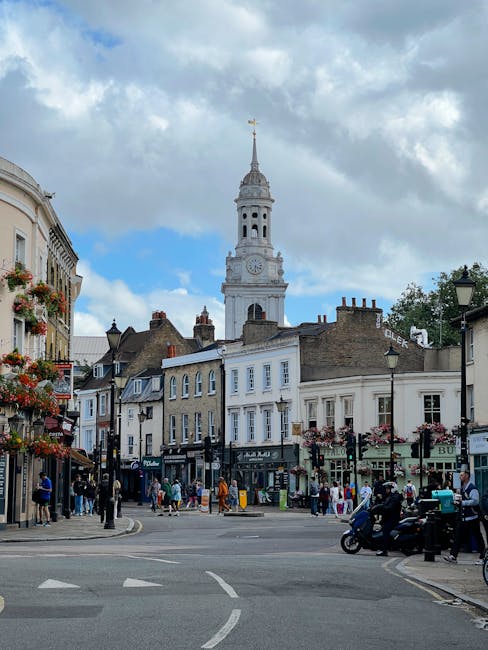
Greenwich in south-east London is one of the capital’s best-known riverside districts, set on the south bank of the Thames and shaped by a long association with maritime history, science and royal architecture. The area contains a dense mix of streets, open spaces and historic landmarks, with the river providing a strong visual and geographical boundary along its northern edge. Greenwich is closely linked with the development of navigation and timekeeping, and the Royal Observatory remains one of its defining sites. The Prime Meridian passes through the observatory grounds, making the area internationally recognisable as a reference point for longitude and time. Nearby, Greenwich Park offers wide views over London and is one of the oldest enclosed royal parks in the city, while the Old Royal Naval College, designed by Sir Christopher Wren and colleagues, gives the riverside one of its most admired classical ensembles. The National Maritime Museum and the Queen’s House add to a wider historic quarter that draws visitors for architecture as much as for collections. Away from the principal monuments, Greenwich also includes market streets, residential squares and local green spaces such as Blackheath to the south-west, creating a setting that combines heritage, open landscape and everyday neighbourhood life. The district has long been connected with transport, trade and learning, but it is also a lived-in place with housing of different periods, local shopping streets and waterside paths that continue to shape how people move through it.
Domestic and specialist transport options

Some moves need more than basic household transport. A customer might be relocating equipment, combining storage access with home delivery, or moving a single heavy item that needs careful handling. In those cases, a more adaptable service is often the better fit, because the work can be aligned with the item rather than forced into a fixed pattern. That approach is especially useful where access is straightforward but the load itself needs attention.
Moving truck and moving truck style transport options are typically associated with larger loads, while movers is a broader term that can cover a range of moving tasks. If you are comparing services, think about what the job needs in practice: lift capacity, loading space, labour and sequence. Those factors matter more than the label on its own.
For lighter or more flexible bookings, removals near me and removals pages may help customers reach the most suitable general service description, while man with a van and man with van removal can be useful where a compact transport-led arrangement is enough. If your move sits between categories, the simplest approach is to ask for a tailored quotation and describe the load plainly.
Service standards and useful decisions
A good removal arrangement balances care, efficiency and clarity. Customers usually benefit from knowing which belongings need special protection, which rooms must be emptied first and whether any parts of the property require particular care. When those points are identified early, the move is easier to coordinate and the team can focus on safe handling instead of improvising around avoidable unknowns.
Insurance and safety information is worth reviewing if you want to understand the approach taken to risk, handling and general work practices. In removals, safety is not just about the vehicle; it also involves stairs, lifting, load balance and protecting surrounding surfaces. Where suitable, health and safety policy details can provide extra reassurance about how the work is organised.
Recycling and sustainability may also be relevant to customers who want to understand how unwanted items or packing materials are considered. Not every move produces waste, but when there are spare materials or items to dispose of, it is useful to know how the job will be handled. The most practical next step remains the same: send the move details and ask for a quotation that reflects the actual work involved.