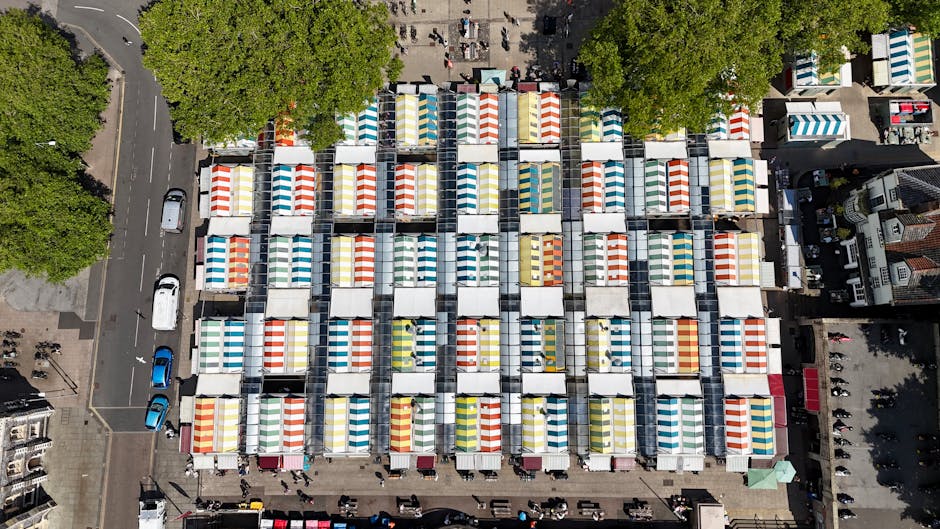
Greenwich Market removals tips for market traders
Posted on 14/06/2026
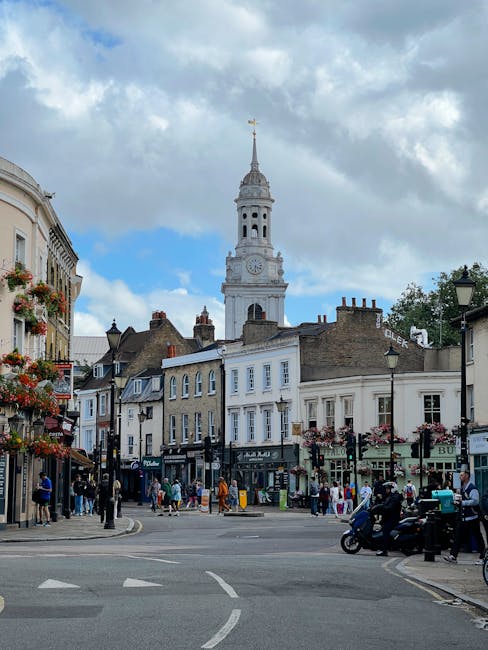
If you trade at Greenwich Market, moving stock, fixtures, and equipment is not the same as moving a normal household. You are working around early starts, tight access, fragile displays, and a trading day that can disappear fast if one wrong van pull-up causes a delay. These Greenwich Market removals tips for market traders are designed to help you plan a move that stays organised, keeps your goods safe, and reduces downtime. Whether you are shifting a stall, relocating a workshop base, or simply moving part of your set-up into storage, the detail matters. A lot.
In practice, the difference between a smooth move and a chaotic one often comes down to timing, packing method, and the type of removal support you choose. Below, you will find a practical, local guide that covers the whole process from planning and compliance to storage and final setup. If you need a broader view of what a local removal team can do, it can also help to skim the services overview before you book anything.
Why Greenwich Market removals tips for market traders Matters
Market trading is a timing game. You are not just moving things; you are protecting trading hours, presentation, and customer confidence. If your stock arrives battered, your stand looks half-built, or your packaging is scattered in a back room, the knock-on effect can last all week. That is why a proper removals plan is not a luxury. It is part of the business.
Greenwich Market also has a very particular rhythm. There are busy visitor periods, narrow access points in the surrounding streets, and the usual London challenge of loading space that never quite feels generous enough. For traders, that means a rushed move can quickly turn into missed sales, extra labour, and a fair bit of stress. And let's face it, nobody needs more of that on a moving day.
Good removals planning matters even more if your setup includes specialist displays, heavy furniture, or mixed stock that must be categorised carefully. A food trader, vintage seller, artisan maker, and antiques dealer will all move differently. The broad principle is the same, though: protect the stock, reduce handling, and keep the transition clean.
Expert summary: The best market removals are not the fastest ones. They are the ones that arrive in the right order, with the right kit, and leave you ready to trade again without rebuilding everything from scratch.
If your move is tied to a wider business change, you may also find it useful to read about office removals in Greenwich because many of the planning principles overlap, especially around equipment handling, labelling, and minimising downtime.
How Greenwich Market removals tips for market traders Works
At a practical level, a trader move usually happens in stages. First, you sort what is staying, what is being moved, and what should be sold, recycled, or stored. Then you decide on the transport method. Finally, you load in a sequence that matches how you will set up at the destination. Simple in theory. Slightly fiddly in real life.
For a small stall, a single van run might be enough. For a larger trader with shelving, tables, signage, packaging, and seasonal stock, you may need a man with a van in Greenwich or a more structured removal service. The key is matching the move size to the job, not just picking the cheapest option because it looks convenient at first glance.
Many traders also underestimate the setup stage. Moving is not finished when everything is delivered. You still need to unpack, assemble, position, and make the stall presentable. If you are relocating across different trading sites or holding stock between events, storage in Greenwich can be a very sensible bridge rather than trying to squeeze everything into a rushed same-day move.
One useful way to think about it: removals for market traders are really a chain of small decisions. Packing affects loading. Loading affects transit safety. Transit safety affects setup time. Setup time affects your first trading day. It all connects.
Key Benefits and Practical Advantages
A well-planned trader move gives you more than peace of mind. It gives you control. That matters when your business is based on presentation, speed, and customer experience.
- Less damage: Proper wrapping and load planning reduce breakages, scuffs, crushed boxes, and bent display pieces.
- Faster reset: Clear labels and grouped packing make it easier to rebuild your stall in the right order.
- Lower stress: You are not hunting for missing tools, tape, or signage while customers are already arriving.
- Better stock control: You can track what moved, what stayed behind, and what needs replacing.
- More business continuity: A neat move helps you get back to trading sooner, which is the whole point, really.
There is also a less obvious benefit: a removal plan often reveals waste. Broken display items, duplicate packaging, old price boards, and forgotten fixtures all show up during the sort-out. That can save space and money. If you are trying to run a leaner operation, that alone is worth the effort.
For traders who care about reducing waste, it can also make sense to review recycling and sustainability as part of the move. Not every item should travel with you. Some things are just taking up emotional space. And cardboard mountain, I'm looking at you.
Who This Is For and When It Makes Sense
This advice is especially useful for people who trade regularly at Greenwich Market or nearby venues and need to move part of their operation without losing momentum. That could be a solo maker, a family-run trader, an antiques seller, a food stall operator, or a business that uses the market as one sales channel among several.
It makes sense if you are:
- changing stall location or trading pitch arrangements
- relocating between workshops, storage units, and market days
- upgrading displays, shelving, or branded fixtures
- moving seasonal stock ahead of a busy period
- clearing down after a long trading run or a short-term lease
- combining home, workshop, and market logistics into one plan
It is also relevant if you are a trader who travels with awkward items. Musical instruments, antique mirrors, glass cabinets, framed prints, and specialist retail furniture all need extra care. In those cases, services such as furniture removals Greenwich or even piano removals Greenwich may be more appropriate than a generic van hire.
Truth be told, the right approach depends less on the market itself and more on how your business actually works. A trader with six tubs and a folding table has very different needs from someone moving a bespoke timber display system and 40 crates of inventory.
Step-by-Step Guidance
Here is a practical move sequence that works well for most market traders. It is simple, but simple is good when you are juggling stock, weather, and deadlines.
- Audit everything you own. Make a list of stock, stands, tools, signage, packaging, lighting, tables, and paperwork. If you do not use it in the next month, question whether it needs to move at all.
- Separate by function. Group sale stock, display kit, cleaning supplies, cash handling items, and admin materials into different categories.
- Declutter before packing. Broken hooks, old labels, damaged boxes, and awkward leftovers are best removed now, not later.
- Choose the right removal option. Small trader move? A flexible man and van Greenwich service may be enough. Bigger or multi-stop move? A more complete removal plan is usually safer.
- Pack for the destination, not the van. Label boxes by where they will be used: stall front, back stock, signage, cleaning kit, and setup tools.
- Protect fragile items first. Bubble wrap, paper, dividers, and corner protection should be used before you think about speed.
- Load in reverse order. The first items you need at the new location should be loaded last so they come out first.
- Keep essentials separate. Keep keys, payment devices, paperwork, tape, scissors, and a basic toolkit with you rather than buried in a box.
- Plan the setup window. Give yourself time to build the stall properly. A rushed finish looks rushed. Customers notice.
- Do a final walkthrough. Check the old site, vehicle, and storage area so nothing is left behind.
If your move is time-sensitive, same-day support may be useful, but only when the job is genuinely small enough for it. The page on same day removals Greenwich is worth a look if your timing is tight and you need to judge whether a rapid move is realistic.
One small but important point: keep a "first hour box" ready. That box should contain the things you will absolutely need on arrival. Tape. Cutter. Gloves. Charging cable. Marker pen. The boring stuff. The boring stuff saves the day.
Expert Tips for Better Results
Here is where a bit of real-world experience helps. Most trader removals go wrong not because the van is too small, but because the move is planned around the vehicle instead of the business flow.
- Photograph your current stall layout. Before you dismantle anything, take clear pictures. They become a setup map later, and you will thank yourself at 7:10 in the morning when everything looks identical.
- Use colour-coded labels. One colour for stock, one for display, one for tools, one for fragile items. It sounds fussy. It works.
- Pack by break risk. Heavy items at the bottom, soft items as padding, fragile items isolated rather than mixed in "just to fill the box".
- Think about weather. Greenwich mornings can be damp, windy, or a bit miserable on loading days. Use waterproof covers where needed.
- Protect branding. Signs, menus, vinyl boards, and printed displays need flat storage or rigid protection. Bent branding is a bad look. Simple as that.
- Choose access-friendly timings. Early slots can help, but only if you can actually work at that hour without scrambling and waking the whole street.
- Keep a tiny emergency kit. Cable ties, spare pens, wipes, tape, a cloth, and gloves. Not glamorous, but very useful.
If you need help with the booking side, it can be sensible to check pricing and quotes before you compare options. Traders often benefit from understanding whether a move is priced by time, vehicle size, load complexity, or distance. That changes the decision quite a bit.
A small human tip from experience: don't aim for perfect packing. Aim for controlled packing. There is a difference. Perfect looks nice on paper; controlled is what keeps the day moving.

Common Mistakes to Avoid
Most trader moves become stressful because of a handful of avoidable mistakes. The good news is that they are easy to spot once you know what to look for.
- Leaving packing until the night before. That usually leads to mixed boxes, missing labels, and a very late finish.
- Underestimating weight. Retail stock, books, ceramics, or bottled goods can be far heavier than they look.
- Assuming one van run will do. It might. Then again, it might not. Measure properly.
- Mixing stock with personal items. This creates confusion at unpacking time and slows everything down.
- Forgetting access issues. Narrow roads, limited parking, and timing restrictions can all create delays if you have not checked them beforehand.
- Not protecting glass and corners. The tiny scuff becomes the expensive repair. It always does.
- Skipping insurance questions. If you are moving valuable stock or specialist equipment, it is wise to understand what is covered and what is not. A quick read of insurance and safety can help.
Another common error is thinking the move ends when the boxes are in the new place. It doesn't. You still need a tidy, workable setup. If you unpack in the wrong order, you can lose an entire day hunting for the one thing you need. We have all seen that scene, and it is not pretty.
Tools, Resources and Recommendations
You do not need a warehouse full of kit, but a few reliable tools make trader removals far easier. Keep it practical and avoid overbuying clever gadgets you will never use again.
| Tool or resource | Why it helps | Best use case |
|---|---|---|
| Strong boxes and tubs | Keep stock grouped and easier to stack | General stock, packaging, admin files |
| Bubble wrap and paper | Protect fragile or scratch-prone goods | Glassware, decor, framed pieces |
| Labels and marker pens | Speed up unloading and setup | Every box, every time |
| Dolly or sack truck | Reduces lifting strain | Heavy stock, crates, boxed equipment |
| Blankets and straps | Help stabilise loads and reduce scratches | Furniture, display units, signage |
| Short-term storage | Gives breathing room during a staged move | Seasonal stock, overflow items, temporary gaps |
Useful support pages can also help you plan the wider move. For example, if you are moving more than just stock and want a fuller service picture, the removal services Greenwich page is a sensible place to explore your options. If your move involves the whole business base rather than just a stall, removals Greenwich may be the broader fit.
If your setup is unusually awkward, it may be worth considering removal van Greenwich support rather than trying to improvise with a vehicle that is just not quite right. That can save time and, honestly, a bit of backache too.
Law, Compliance, Standards, or Best Practice
Market traders do not need every legal detail memorised, but they do need a sensible working awareness of responsibility. If you are moving stock, equipment, or a trading setup in Greenwich, think about access, public safety, manual handling, and insurance from the outset.
For example, if any item is heavy, awkward, or fragile, do not rely on guesswork. Use appropriate lifting methods and, where needed, team lifting or handling aids. That is not just about comfort; it is about reducing injury risk and protecting goods. If a move is being organised through a removal provider, it is fair to ask what their health and safety approach looks like. The health and safety policy page can be a useful reference point when you are comparing professionalism.
You should also keep an eye on terms, payment arrangements, and what is included in the quote. Market traders sometimes deal with tight margins, so hidden extras are not welcome. A quick review of terms and conditions and payment and security can prevent awkward surprises later.
Best practice usually means three things: clear communication, sensible packing, and realistic timings. Nothing fancy. Just solid business habits. If something feels rushed or unclear, slow it down and ask another question. That is not being difficult. That is being careful.
Options, Methods, or Comparison Table
Choosing the right removal method depends on how much you are moving and how delicate the contents are. Here is a simple comparison to help narrow it down.
| Method | Best for | Strengths | Watch out for |
|---|---|---|---|
| DIY move | Very small loads and simple kit | Cheap upfront, flexible | More lifting, more risk, more time |
| Man and van | Medium-small trader moves | Flexible, practical, often efficient | Not ideal for complex or multi-stop moves |
| Full removal service | Large setups, fragile stock, or multi-room business moves | Better planning, handling, and coordination | Usually costs more than a basic van-only option |
| Temporary storage plus staged move | Seasonal traders or businesses in transition | Less pressure, more control over timing | Requires extra coordination |
If you are comparing options and want a starting point, removal companies Greenwich is a useful entry point for understanding the broader service landscape. For traders who only need a straightforward, local move, man with a van Greenwich can be a more efficient fit.
Case Study or Real-World Example
Imagine a trader who sells homeware and small decorative items at Greenwich Market every week. They are moving to a slightly different setup: same trading area, but new storage arrangement and a revised display layout. Nothing dramatic. But there are 14 boxes of stock, two folding tables, one mirror display unit, branded signage, and a handful of fragile accessories that always seem to roll into the wrong corner of the room.
Instead of treating the move as one heap of stuff, they split it into four groups:
- sale stock
- display and furniture items
- packing and admin materials
- fragile pieces for protected transport
They photograph the old stall layout, label every box by use, and keep one toolkit separate. The move itself takes less time than expected because unloading order matches setup order. The first table goes in first, not last. The signage is flat-packed and protected. The fragile accessories are loaded away from the heavier boxes. One small board does get a minor scuff, but that is all. More importantly, the trader is ready to open on time the next trading day.
That is the real win. Not perfection. Continuity.
In a slightly bigger version of the same story, traders who need to bridge a gap between sites often make use of short-term holding space. For that kind of staging move, packing and boxes Greenwich can be a helpful support area to review because the right materials make staged moves far less messy.
Practical Checklist
Use this checklist the day before and the morning of the move. Keep it on paper, not just in your head. Heads are busy places.
- Every item has been sorted into move, store, recycle, or discard
- Fragile stock has been wrapped and boxed separately
- Boxes are labelled by destination or function
- Essential tools are in a first hour box
- Photo records of the stall or setup have been taken
- Access, parking, and timing have been confirmed
- Insurance questions have been asked and understood
- Staged items for storage have been separated from same-day items
- Reusable packing materials have been set aside for future use
- Old packaging and damaged items have been removed before loading
- Contact details for the removal team are saved and accessible
- The final walkthrough includes van, storage, and old trading space
A quick final note here: if you are unsure whether your setup is business-only or part-business, part-home, it may help to compare your needs against flat removals Greenwich or house removals Greenwich depending on how your inventory and living space overlap. Some traders work from home or keep stock in a flat, and the logistics are different from a pure commercial move.
Conclusion
Greenwich Market removals are easiest when you treat them like part of the business, not a side task you squeeze in when you get a spare minute. Plan the order of your stock. Protect the fragile pieces. Choose the right vehicle or removal support. And leave yourself enough time to unpack properly, because the day you move is only half the job.
In the end, good removals work is a quiet advantage. Customers may never see it, but they will feel it in the way your stall looks, the way your stock is organised, and the way you open on time with less drama. That is worth doing well.
If you want help planning a trader move, understanding your options, or making sense of the next step, it is worth speaking with a local team that understands Greenwich's pace and access challenges. A calm, well-organised move really can change the week for the better.
Get a free quote today and see how much you can save.
And if you are still in the early thinking stage, start small, make the list, and take it one box at a time. That usually does the trick.