Commercial Moves in Greenwich: Reliable, Organised Business Relocation Support for Local Companies
Moving a business in Greenwich? Here’s what local customers need to know
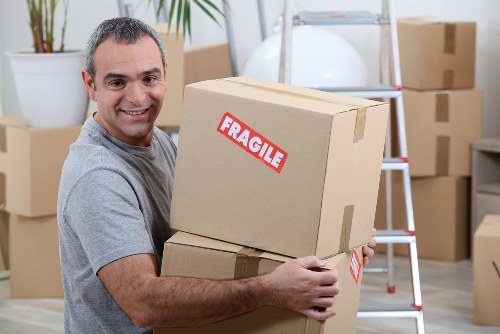
If you are planning Commercial Moves in Greenwich, you are probably balancing more than just boxes and furniture. A business relocation can affect staff, customers, trading hours, deliveries, equipment, and the day-to-day flow of your operation. Whether you are moving a small office, a retail unit, a clinic, a workspace, or a multi-room commercial premises, the right moving service can make the difference between a smooth transition and a week of avoidable disruption.
Greenwich has its own set of moving challenges. Narrow residential streets, busy high streets, one-way routes, controlled parking, riverside access, and mixed-use buildings all create practical issues that need planning. Local businesses often need a move that works around commuting patterns, school traffic, building access times, and the realities of shared loading areas. That is why many companies look for a team that understands the area and can plan a relocation around local conditions rather than treating it like any other move.
Commercial moves in Greenwich are not just about transporting items from one postcode to another. They are about careful coordination, protecting valuable assets, reducing downtime, and getting your team settled quickly so business can continue. A good commercial removals service should help with planning, packing, loading, transport, and placement at the new premises in a way that feels organised and manageable.
Why businesses in Greenwich need a different kind of moving service

Commercial relocation is very different from a home move. Offices, shops, hospitality venues, healthcare rooms, studios, and small warehouses all have equipment and workflows that need more than just muscle. Desks, screens, filing systems, specialist tools, stock, display items, IT equipment, and confidential documents all need to be handled with care. A business move also needs timing that keeps downtime low and protects the continuity of work.
Greenwich is a varied commercial area, with a mix of historic buildings, modern developments, local retail spaces, and workspaces close to transport hubs. That mix is useful for business, but it can make moving more complicated. Older buildings may have limited lift access, tighter stairwells, or restrictions on large vehicles. Newer commercial sites may have booking windows for loading bays or building management procedures that need to be followed. A local team that knows these details can plan around them before moving day arrives.
For many customers, the value of professional Greenwich business removals is not just speed; it is confidence. You want to know the move will be handled in a structured way, with attention to detail and sensible communication. You also want to know your staff will not be left waiting around, your equipment will be protected, and your new site will be ready for work as soon as possible.
Types of commercial moves we commonly support
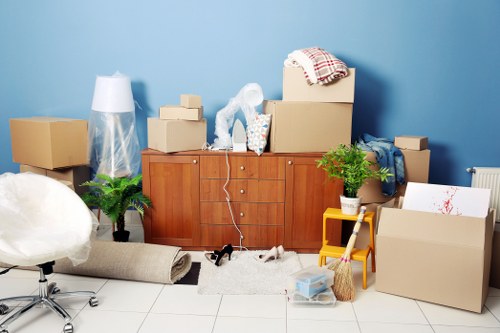
Every business has different requirements, and a strong commercial moving service should adapt to that. In Greenwich, customers often need help with a wide range of commercial relocations, from small office shifts to larger, multi-stage moves. Some businesses want a full service that includes packing and unpacking, while others simply need professional transport and careful handling.
Typical commercial removals can include:
- Office relocations for small teams, shared workspaces, and growing companies
- Retail unit moves for shops, boutiques, and showrooms
- Hospitality and food service equipment relocation
- Clinic, practice, or professional service moves
- Storage transfers and stock movement
- Furniture delivery and internal office reconfiguration
- Archive, records, and document transfers
- Light commercial and workshop removals
Some companies move in phases, especially if they need to keep part of the business running during the transition. Others need everything completed in one planned window, often outside working hours. A flexible move plan helps accommodate either approach, particularly in areas of Greenwich where access, parking, and building schedules may affect the timing.
What is typically included in a commercial move
A practical service that covers more than transport
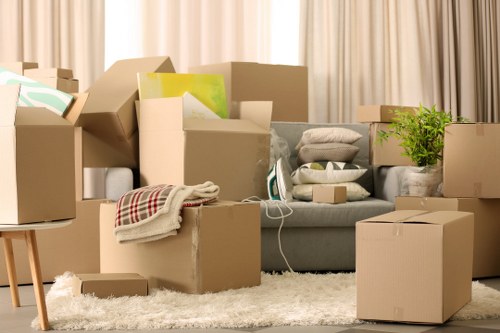
When local businesses enquire about commercial moves in Greenwich, they often want to know exactly what is included. A dependable removals service should be clear about the process from start to finish, so you can plan your own team’s role around it. While each move is different, a commercial relocation service often covers a combination of planning, packing, loading, transport, unloading, and placement at the new site.
Depending on your needs, the service may include:
- Pre-move discussion to understand premises, access, and timing
- Inventory planning for furniture, equipment, stock, and files
- Packing materials for general contents and fragile items
- Disassembly and reassembly of desks, shelving, and office furniture
- Protective wrapping for sensitive or high-value items
- Labelling and room-by-room placement at the destination
- Careful loading and unloading by trained movers
- Flexible scheduling to reduce disruption to trading hours
For many customers, the most valuable part is the coordination. A commercial move can feel overwhelming if staff are unsure what needs to be packed, who is responsible for files, or how equipment will be moved safely. A structured moving plan keeps everyone aligned and makes the process feel much easier to manage.
Local businesses also benefit from relocation support that understands the practical side of Greenwich premises, from shared entrances in busy mixed-use streets to service access near riverside developments. A local team can often anticipate issues earlier and help you avoid delays.
Why choose a local Greenwich company for your business move?
Local knowledge matters when time and access are tight

Choosing a company familiar with Greenwich can make a real difference on moving day. Local knowledge is especially useful when your move involves central streets, busy junctions, parking restrictions, or buildings with specific loading arrangements. Commercial customers often need a mover who understands that a ten-minute delay can affect staff schedules, client appointments, or delivery windows.
A local team is more likely to understand the flow of the area and how to work around it. That can include planning for school-run traffic, arranging sensible arrival times, and considering routes that avoid unnecessary congestion. It can also help when the business premises are in areas with restricted access or where larger vehicles may need additional planning before arrival.
Customers looking for Greenwich office removals, retail relocations, or small business moves often appreciate the reassurance of dealing with a team that regularly works in nearby districts too. Being able to move between Greenwich, Deptford, Blackheath, Woolwich, Charlton, Cutty Sark, and surrounding parts of South East London gives a commercial removals company a better sense of timing, access, and site coordination.
In practical terms, a local mover can also be easier to brief on site conditions. If there is a loading bay, a narrow entrance, an upper-floor office, or a building with managed access times, the move can be planned with those factors in mind from the beginning. That saves time and reduces the risk of moving day surprises.
How commercial moves in Greenwich are usually organised
A step-by-step approach that keeps the move manageable
A well-run commercial relocation should feel organised, even if the premises are busy or the timetable is tight. While each job is different, most moves follow a similar structure. The aim is to make the process predictable, reduce pressure on your staff, and ensure the business can resume normal operations as quickly as possible.
Common stages include:
- Initial discussion – You explain the type of premises, what needs moving, and any access restrictions or timing preferences.
- Move planning – The move is scheduled around your trading hours, building rules, and available access.
- Packing and preparation – Items are labelled, packed, wrapped, or dismantled as needed.
- Loading – Furniture, files, stock, and equipment are loaded safely and securely.
- Transport – Items are moved to the destination using appropriate vehicles and routes.
- Unloading and placement – Contents are unloaded and positioned in the correct rooms or zones.
- Set-up support – Where agreed, furniture may be reassembled and key items placed for easy access.
This approach works well for all kinds of local businesses, especially when teams need to stay productive during the move. It also allows you to divide responsibilities clearly, so your own staff can focus on the tasks only they can handle, such as IT setup, customer communication, or stock checks.
Commercial moves in Greenwich often benefit from early planning. The more detail you share before moving day, the easier it becomes to plan around access, vehicle size, item sensitivity, and the best sequence for loading and unloading.
Preparing your business for the move
A practical checklist for local customers
Preparation is one of the biggest factors in a smooth commercial move. The more organised the setup, the easier it is for the moving team to work efficiently and for your staff to settle quickly into the new premises. A good preparation process also helps avoid missing items, damaged equipment, or confusion about what goes where.
Useful preparation steps include:
- Identify which items are moving, staying, or being replaced
- Label desks, boxes, files, and equipment by department or room
- Back up data and secure any important digital systems
- Inform staff about packing responsibilities and deadlines
- Separate confidential documents for secure handling
- Check access arrangements for both the old and new premises
- Reserve loading or parking space where required and permitted
- Notify building management if approvals or lift bookings are needed
For retail and customer-facing businesses, it is especially useful to think about stock control, display fixtures, and the order in which items need to be unloaded. For offices, the priority may be desks, monitors, printers, meeting room furniture, and archive materials. Clinics and professional practices may need a careful approach to confidential files, specialist equipment, and room layout.
Tip: If your business has items that need extra care, make sure they are identified early. Fragile items, IT hardware, artwork, or specialist machinery should be handled as part of the moving plan, not as an afterthought.
Pricing factors for commercial moves
What affects the cost of a business relocation?
Customers often ask what determines the price of a commercial move, and the answer is usually a combination of practical factors rather than a simple flat rate. Because every business is different, the scope of the job matters more than a one-size-fits-all figure. Understanding the main pricing factors can help you compare quotes fairly and decide what level of service you actually need.
Common pricing factors include:
- Size of the move – The volume of furniture, stock, documents, and equipment
- Access conditions – Stairs, lifts, narrow doors, loading restrictions, or parking limitations
- Distance – Whether the relocation stays local in Greenwich or extends to nearby areas
- Time required – Larger or more complex moves naturally take longer
- Extra services – Packing, dismantling, reassembly, and protective wrapping
- Special handling – Fragile items, IT kit, heavy furniture, or high-value stock
- Scheduling needs – Evening, early morning, or weekend work may require different planning
When requesting a quote, it helps to be specific about what you need moved and when. Photos, a room list, or a simple inventory can make the quotation process more accurate. It also helps the mover suggest a suitable team size and vehicle type for the job.
For many businesses, the best value comes from choosing a service that reduces disruption and helps avoid mistakes. A move that is rushed or poorly planned can cost more in lost time than in moving fees, so planning carefully is often the most economical choice in the long run.
Greenwich locations and nearby areas covered
Useful for businesses across South East London
Commercial clients in Greenwich often need a moving company that can handle more than one area, especially if premises are changing between nearby districts or if staff, stock, and equipment are spread across different sites. A local commercial removals service should be comfortable working across the borough and beyond, with practical awareness of local road access and building types.
Areas commonly covered may include:
- Greenwich town centre
- West Greenwich
- East Greenwich
- Deptford
- Blackheath
- Charlton
- Woolwich
- Eltham
- Maze Hill
- Cutty Sark area
- Riverside developments and mixed-use commercial buildings
This range matters because many businesses do not move from one large office to another in a single step. Some relocate from a serviced office to a shopfront. Others move from a shared workspace to an independent unit, or from one part of the borough to another while keeping deliveries and operations running. Flexible coverage is helpful when your move involves more than one address or multiple stages.
Commercial move challenges common in Greenwich
Planning around the local environment
Greenwich offers great connections, but the local environment can create moving challenges that are worth planning for in advance. Traffic patterns may change depending on the time of day, and some streets can be more awkward for larger vehicles. If your premises are in a busy retail or mixed-use area, vehicle positioning and loading time may need to be carefully arranged.
Other common challenges include:
- Restricted parking or permit-controlled streets
- Limited waiting space for vehicles
- Shared entrances in commercial and residential buildings
- Lift bookings or service access windows
- Stair-only access to upper-floor offices or studios
- Busy pedestrian flow around high streets and transport nodes
- Special handling for items in heritage or older buildings
These issues do not have to cause problems if they are planned for early. In many cases, a commercial moving team can suggest practical solutions such as staggered loading, early arrival, smaller vehicle coordination, or a split move for large premises. The right plan can save time and reduce stress for both your staff and your customers.
Commercial Moves in Greenwich work best when the mover takes a practical, site-aware approach. That means thinking about access before arrival, not after.
What makes a move easier for your staff?
Reducing stress inside the workplace
A business relocation is not only a physical move; it is also an internal change for the people who work there. Staff may be concerned about packing responsibilities, downtime, where equipment will go, or how the new space will function. Clear planning and communication can make a huge difference to morale and productivity during the transition.
To help your team, consider:
- Giving staff a clear packing deadline
- Explaining what the movers will handle and what they should prepare
- Assigning one person to manage questions on move day
- Labelling departments, desks, and key items clearly
- Creating a priority list for items needed immediately on arrival
- Setting up the new premises in a way that supports work on day one
These small steps reduce confusion and help the relocation feel like an organised project rather than an emergency. If the move is being completed outside of normal hours, it is still useful to brief staff in advance so the first working day in the new premises starts smoothly.
Good commercial moving support is about making the transition easier for the people who rely on the business every day. The best results usually come when the moving team and the business work together with a shared plan.
Special considerations for office, retail, and professional premises
Different sectors need different handling
Not all commercial properties move in the same way. An office move may be heavily focused on desks, IT, archive boxes, and meeting room items. Retail moves may centre on stock, displays, shelving, and fitting-room fixtures. Professional practices, meanwhile, may need careful handling of confidential files, client records, and specialist equipment. A commercial mover should adapt the approach to suit the sector.
For offices, useful considerations often include:
- Labelling workstations by team or name
- Protecting monitors, printers, and networking equipment
- Planning the new layout before moving day
- Separating essential items for immediate use
For retail and hospitality businesses:
- Protecting displays and stock during transit
- Planning the order of unloading for priority items
- Coordinating the move around opening hours and deliveries
- Managing fixtures that may need dismantling before transport
For clinics, studios, and specialist practices:
- Handling confidential or sensitive materials carefully
- Keeping equipment organised and traceable
- Planning room-by-room placement for quick reopening
These details matter because the aim is not just to move items safely, but to help the business reopen efficiently. The more tailored the process, the easier it becomes to get back to normal trading.
What to ask before you book
Helping you choose the right moving partner
Before booking a commercial removals service, it is sensible to ask a few practical questions. This helps you compare options and understand whether the service is suited to your business type, building access, and timetable. You do not need to overcomplicate it; a few clear questions are usually enough to reveal whether the mover is prepared for your job.
Useful questions include:
- Do you handle the type of commercial move we need?
- How do you manage access issues, loading bays, or restricted parking?
- Can you help with packing, dismantling, or reassembly?
- How do you handle fragile, confidential, or high-value items?
- What information do you need to provide a quote?
- Can the move be scheduled outside normal business hours if needed?
- Do you cover both Greenwich and nearby South East London areas?
These questions are especially helpful if your premises are in a busy part of Greenwich or if you are moving between buildings with different access rules. The answers will give you a clearer sense of how much support you will get and how well the move can be controlled.
FAQs about commercial moves in Greenwich
Common questions from local business customers
How far in advance should I book a commercial move?
The earlier the better, especially if your move involves limited access, larger furniture, or a tight trading schedule. Early booking gives time to plan loading, parking, and any building requirements.
Can my business stay open during the move?
In many cases, yes. Some relocations are completed in phases or outside normal business hours to reduce disruption. It depends on the size of the move and how much of the premises need to be transferred at once.
Do you move office equipment and IT items?
Commercial removals often include office equipment, but the level of support should be discussed in advance. Sensitive IT items, printers, and networking equipment need careful packing and clear labelling.
What if our building has tricky access?
This is very common in Greenwich. Narrow entrances, upper floors, controlled parking, and shared access points can usually be managed with the right planning, vehicle choice, and move schedule.
Can you help with internal office moves as well?
Yes, many businesses need furniture repositioning, departmental reconfiguration, or transfers between floors or rooms. Internal commercial moves can be just as useful as full relocations when a layout needs changing.
What should we do with confidential files?
Keep confidential documents separate and make sure they are clearly identified. Ask how they will be handled and where they should be placed on arrival so nothing important gets misplaced.
Why local businesses trust a structured commercial move
Confidence, timing, and practical support
When a business is relocating, confidence matters. You need to know that the move is being handled by people who understand the practical side of commercial relocation, not just the transport itself. That means planning around building access, coordinating with your timetable, protecting equipment, and helping the move feel controlled from start to finish.
Commercial moves in Greenwich are often most successful when the mover works as an extension of your own team. That means being clear, punctual, careful, and adaptable. It also means recognising that every premises is different. A high street shop, a riverfront office, and a professional practice in a converted building will each need a slightly different approach.
For local companies, that flexibility is valuable. It helps you keep trading commitments in mind, supports a calmer move day, and makes it easier to focus on reopening rather than on the logistics of transport. If you are planning a relocation and want sensible, local support, this is the right time to start the conversation.
Request a free quote and discuss your move needs in detail. If you are ready to plan your relocation, contact us today and book your commercial move with a team that understands Greenwich and the demands of local business.
Final thoughts for businesses planning a move
Make the transition as smooth as possible
Moving a business is always a major step, but it does not have to be a disruptive one. With the right planning and the right removals team, a commercial relocation can be handled in a way that protects your time, your equipment, and your peace of mind. The best moves are usually the ones that feel straightforward because every detail was thought through in advance.
If you need support with a small office move, a retail relocation, a workspace transfer, or a larger business change, a local service with experience in Greenwich can make the process much easier. From access planning and packing to transport and unloading, the right team can help you move with less stress and more control.
Book your service now if you are ready to arrange commercial relocation support in Greenwich or nearby areas. Whether you are moving soon or simply gathering information for a future move, a clear conversation now can save time later and help your business settle into its new location with confidence.